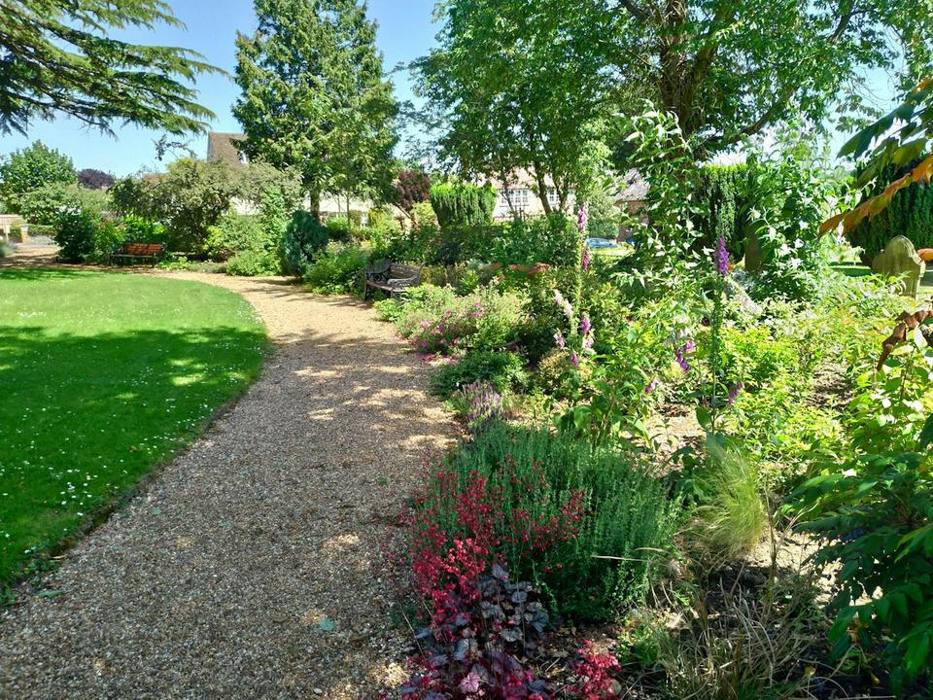




Paving for driveways, walkways and patios
Our paving services
Driveways
Interlocking concrete pavers 60 mm or 80 mm thick, on a compacted base.
Walkways and patios
Walkways, patios and pool surrounds, with non-slip pavers around the pool.
Relaying
We lift sunken paving, fix the base and the fall, and relay the pavers that are still whole.
Repairs and extensions
Cracked pavers replaced, and driveways extended in pavers that match.
Joints
Joint sand refilled and compacted, so weeds have nowhere to grow.
Paving questions we get asked
Poor compaction, water washing away the bedding material or a leak beneath the paving can cause sections to sink. Loads beyond what the paving was designed to carry can also damage the surface and base.
The paving may not have enough slope, a section may have sunk, or a drain could be blocked. Once the cause is identified, we can correct the drainage or lift and relay the affected area.
We lift the affected paving and assess the roots before deciding how to repair the area. A root barrier or a change to the paving layout may help. An arborist should assess any major roots before they are cut.
Individual pavers can usually be lifted and replaced. Sunken sections can also be lifted and relaid after the base has been repaired.
Concrete or clay pavers rated for vehicle use are common choices. An interlocking pattern such as herringbone helps withstand turning and braking. The thickness and base preparation should match the vehicles using it.
The thickness must suit the vehicles using the driveway. Passenger cars and heavy vehicles place different demands on the paving, and the base must be designed for those loads too.
It needs a suitable slope so water can run off without collecting or flowing towards the house. Depending on the site, drainage channels or other outlets may also be required.
The size of the driveway, ground preparation and drainage work determine the timing. We'll provide an estimated schedule once the site and scope have been assessed.
Sand-jointed paving can usually take vehicles once the installation is fully compacted and finished. Cement-jointed or mortar-bedded paving needs time to cure. We'll confirm when your driveway is ready to use.
A small, straightforward patio takes less time than a large area with detailed patterns or extensive ground preparation. Your quote will establish the work involved so we can estimate the installation time.
Yes. We use paving selected for grip and comfort underfoot around the pool.
Sometimes. The concrete must be stable, with suitable drainage and enough clearance at doors and adjoining surfaces. We'll inspect it before recommending an overlay.
Concrete pavers and suitable natural stone can work well. The choice depends on whether the area carries pedestrians, cars or heavy vehicles, as well as the base beneath it.
We pave parking areas, access roads, loading areas and yards using asphalt or pavers suited to the traffic and loads.
Properly installed paving can last for decades. Its condition over time depends on the materials, base preparation, drainage, traffic and maintenance.
Sweep it regularly, rinse away dirt and replenish jointing sand when it wears away. Attend to loose pavers and drainage problems before they spread. Some paving types benefit from sealing, but it isn't always necessary.
Keep the joints filled with the correct jointing material and sweep away soil and debris. Remove weeds before they become established. If using a weed treatment, choose one suitable for the area and follow the product instructions.
Not answered here?
Ask us a question
Next Virlocept service
Maintenance
Every trade your property needs, on 1 maintenance contract.